Businesses need supply chain management to move products without hassle. Third-party logistics (3PL) helps businesses transport goods while saving time and money.
This guide explains 3PL, its processes, services, and importance, and provides tips for choosing a 3PL partner. Read on to learn how 3PL can help your business grow.
For 3PL providers, a professional website is key to showcasing logistics capabilities and attracting clients. Explore our selection of the best website builders to build a strong online presence.
Best Website Builders to Showcase Your 3PL Services Online
3PL means outsourcing logistics tasks like storage, packing, and shipping.
3PLs help save money, increase speed, and drive growth.
3PLs receive products, store them, handle orders, pick, and pack items.
3PLs offer warehousing, inventory control, packing, and shipping services.
Choose a 3PL that meets your specific service and warehouse needs.
E-commerce businesses, growing brands, and seasonal companies use 3PLs.
Modern 3PLs use advanced Warehouse Management Software (WMS).
They also use robust Transportation Management Systems (TMS).
What is a 3PL (Third-Party Logistics) Provider?
A Third-Party Logistics Provider is a company that helps other businesses transport goods. They store products, pack orders, and ship them. These providers play a big role in the global supply chain.
Third-party logistics providers have different names. Some refer to them as a fulfillment company or fulfillment warehouse. Others call them fulfillment centers or contract logistics providers. Though the names differ, they all provide fulfillment services.
A Third-Party Logistics provider offers many services, including:
Storing products
Tracking inventory
Transporting goods
Branding packages
Labeling items
3PL companies can manage all logistics operations, including order fulfillment. They select products, pack and send them to customers. As experts, they work better and use special tools.
Having good relationships with shipping companies, they move products faster and cheaply. It’s good for businesses to outsource tasks to 3PLs. Hiring them helps save money.
With fewer tasks, businesses can have enough time to handle other things. For example, your business can use free time to create new products, market and sell them.
Key Differences: Understanding the Logistics Industry
The logistics industry has many similar words and services. It’s important to know the difference between a 3PL and other options. With this knowledge, you can identify the services your business needs.
3PL vs. Freight Forwarding
Many people don’t know the difference between freight forwarding and logistics 3PL.
A Freight forwarder plans how goods move from one country to another. Forwarders handle documents and customs papers. They transport goods with trucks, planes, ships, and other carriers. Their primary role is to transport products.
A logistics 3PL moves goods while performing other functions. They store products, track inventory, and ship orders to customers.
Transportation is one aspect of a 3PL’s offering. The primary difference between freight forwarding and 3PL lies in the scope of work.
3PL vs. 4PL (Fourth-Party Logistics)
A 3PL handles hands-on work, like storing products and shipping orders. They perform all physical logistics activities. Fourth-party logistics providers (4PLs) work at a higher level. As lead logistics providers, they manage the entire supply chain.
4PLs also oversee 3PLs and other partners. Though they don’t own physical assets, they control the supply process with technology. Their primary role is to improve supply chain performance.
3PL vs. Drop Shipping
Dropshipping is a method of operating an online store that differs from using a 3PL. When using a 3PL, the business owns the products it sells. The 3PL keeps these products in its own warehouse and ships them when customers place orders.
With dropshipping, the seller doesn’t own the inventory but acts as an online storefront. The seller receives orders, and the supplier handles packing and shipping.
When a customer demands an item, the seller sends the order to a supplier, who ships the item to the customer.
The major difference between the two practices is inventory ownership and fulfillment operations. Using a 3PL gives more control. You can choose how to package and design your items and create a better customer experience.
Dropshipping is less risky and cheaper to practice, as you won’t have to buy products. However, you’ll have less control over shipping, which may cause delays.
Dsers
Automate and grow your dropshipping business with DSers: the official AliExpress partner. Import, manage, and fulfill orders faster with powerful automation tools. Save time and scale your store effortlessly!
Studying the step-by-step process of how 3PLs work helps to understand their value. Although specific details may vary, most 3PL services follow a basic workflow process.
They receive products, store inventory, and ship them when a customer orders. With technology, these providers track and manage workflow efficiently.
The Standard 3PL Process: From Order to Delivery
Here’s a breakdown of how 3PL services work within their facility:
Receiving Inventory: Products from the seller’s supplier arrive at the 3PL’s warehouse. The receiving team unloads the goods, checks the number of items, and notes any damage. If the items are in good condition, they log them into the Warehouse Management System (WMS).
Warehousing & Storage: The team uses the WMS to arrange inventory inside the warehouse space. The WMS considers size, weight, and the frequency of item orders. The system also considers special requirements for quality control. It uses a Stock Keeping Unit(SKU) so staff can find items easily.
Order Receipt & Processing: The 3PL system integrates with your business’s e-commerce platform. Customers’ orders enter the 3PL, which confirms the order and allocates products.
Inventory Management: This step is a continuous process. The WMS tracks stock levels in real-time to prevent overselling. 3PLs also provide reports and forecasts to help businesses plan for optimal stock.
Picking & Packing: The WMS creates a list with the position of items. Workers use this list to find and pick the products and scan them with barcodes. Next, they pack and label the goods in the third-party logistics warehouse.
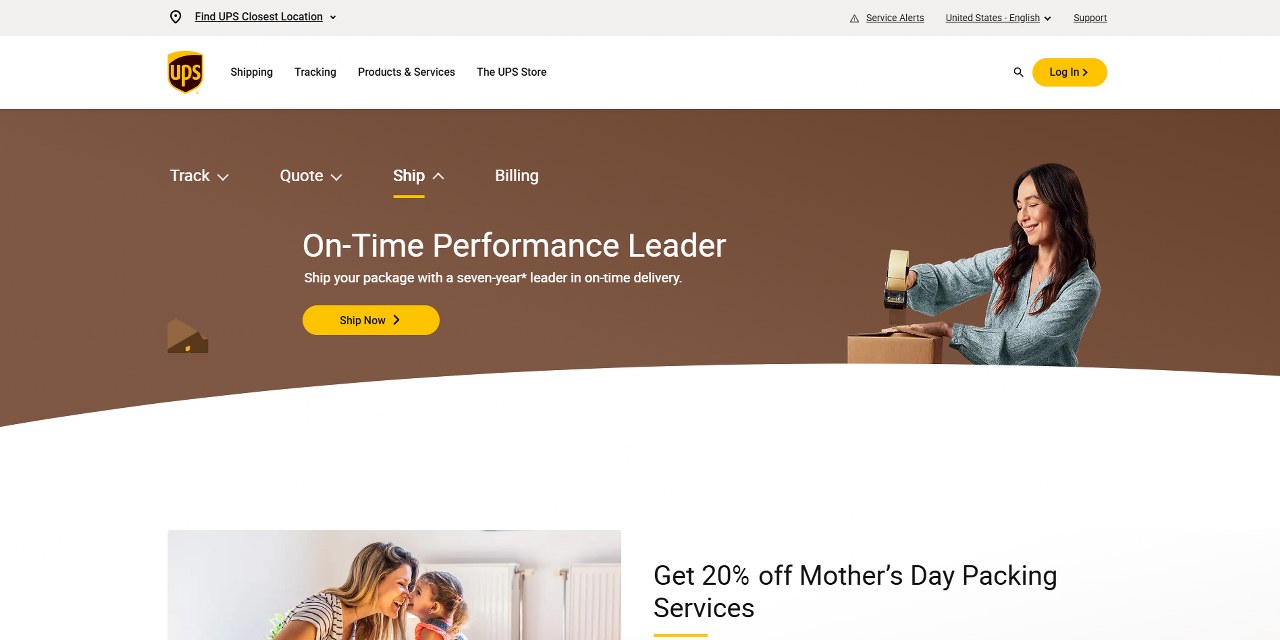
Shipping: After packing, 3PLs give the goods to shipping companies like FedEx, UPS, or USPS. Bulk shipments provide discounts, helping businesses cut costs. The 3PL also oversees pickup and dispatch.
Tracking & Communication: Each package carries tracking information. 3PLs, businesses, and buyers use the information to check movement and location.
Returns/ Reverse Logistics: The 3PL collects items that customers return and checks them using the seller’s rules. They restock, discard, or repair these items. A good return system helps enhance customer satisfaction.
The Crucial Role of Technology
3PL services require robust technology to function effectively. Here are some systems that they connect to:
Warehouse Management Systems (WMS): A WMS is a software that tracks inventory. It also controls work processes and manages warehouse operations.
Transportation Management Systems (TMS): They select carriers and verify shipping bills. They also track goods and plan the best way to move them.
Integrations: The 3PL’s system connects with the business’s platform, making it easy to share information.
Automation: 3PLs use machines and robots for warehouse work. They handle ongoing tasks quickly and without mistakes.
Visibility & Analytics: Businesses use dashboards to view inventory data and records in real-time. With a clear view of data, brands can make good decisions.
Emerging Technologies: AI and machine learning help 3PLs guess future demand. They also find faster delivery routes and spot problems to plan better.
Technology helps 3PLs work fast and make fewer mistakes. It also improves transparency between 3PLs and their partners.
Core Services Offered by 3PL Providers
3PLs offer many services to manage the supply chain. These services help businesses run smoothly. Understanding the services will help you pick a 3PL to handle your needs.
Warehousing and Distribution Services
3PLs store products in warehouses and distribute inventory. The offerings under this service include:
Storage Solutions: 3PLs help businesses keep goods in warehouses or fulfillment centers. They arrange items and handle them with care.
Distribution Networks: 3PLs have many warehouses to reduce shipping time and cost. Businesses can store their goods in any warehouse close to their customers.
Cross-Docking: This practice reduces the time 3PLs store goods. They send out goods to customers as they arrive.
Inventory Management
3PLs often count items in the warehouse to make sure the numbers match what’s in the system
Real-Time Tracking: Using WMS to check product counts and locations.
Stock Optimization: Helping businesses to avoid running out of products or buying excess. They use data insights to find the right number of products to buy.
Cycle Counting & Audits: 3PLs count stock to ensure the numbers match the records.
Order Fulfillment (Pick, Pack, Ship)
This process involves arranging orders and sending them to customers. Here are the necessary steps:
Order Processing: 3PLs collect orders from websites or stores. They then confirm whether the products are available.
Picking Accuracy: Warehouse workers pick the right number of items. After selection, they scan the goods to avoid mistakes.
Professional Packing: Staff pack goods with protective material to prevent damage. They use the right sizes of boxes for goods to save money.
Shipping Coordination: 3PLs relate to carriers and handle delivery companies. They also create shipping labels and ensure the quick delivery of orders.
Transportation Management
This process refers to the movement of products between locations without overspending. It involves the following:
Carrier Selection & Negotiation: You must choose delivery companies for each product. This process also involves getting good deals when shipping large amounts.
Route Optimization: They use software to find the best delivery route, which saves time and fuel costs.
Freight Forwarding Services: Shipping goods by air, sea, train, or truck. 3PLs handle freight and customs clearance within and outside the country.
FTL & LTL Shipping: 3PLs ship full truckloads (FTL) and can also track and send less-than-truckload (LTL) packages.
Reverse Logistics (Returns Management)
This service deals with collecting and handling goods that customers return. It involves:
Inspection & Disposition: They check the value of each item to see if they can sell it. Sometimes, they fix, donate, or throw the goods away.
Restocking: If an item is still good, they store it in the warehouse for reselling.
Value-Added Services
These are extra services that improve supply chain solutions. Examples of such services are:
Kitting: Combining different products in a kit. They create special products and gift sets.
Custom Packaging & Labeling: The business states the type of packaging to use. It could be branded boxes, inserts, or labels.
Product Customization/Postponement: Customizing products after receiving orders. This way, it’s easier to design products that suit customers.
Compliance Labeling: Ensuring labels follow laws or industry rules. This practice ensures that products are safe and legal to sell.
Types of Third-Party Logistics Providers: Finding the Right Specialization
Now that you know the answer to the question, “What is third-party logistics? “It’s best to know the types of providers. Many 3PLs specialize in different areas. You must understand the types to find those with local expertise for your needs.
1. Transportation-Based: These companies move goods to warehouses, stores, and other places. They find the most cost-effective ways to ship, and some also store products.
2. Warehouse-Based: These 3PLs store goods for businesses. They receive products, arrange them, and send orders out.
3. Freight Forwarders: These companies help send goods to states or countries. They handle all paperwork and ensure the goods reach their rightful owners.
4. Technology-Based: These services use software to help businesses track products. They make it easy to see where things are in real-time.
5. E-commerce Order Specialists: These companies assist online stores in sending products to customers. They are good at handling small orders and deliveries.
6. Specialized Services Provider: Focus on jobs like:
Cold Chain Logistics: Storing and moving items that require cold environments. These are goods like frozen foods and vaccines that spoil if the temperature drops.
Hazardous Materials (Hazmat) Handling: Working with dangerous goods. Workers need training to store such goods.
Heavy/Bulky Goods Fulfillment: Moving big items and products to customers. Examples of some heavy goods are sofas, cars, and beds.
7. Integrated/Full-Service Providers: These companies handle all logistics tasks and offer a single control point.
Before choosing a provider, ensure they specialize in the services you need.
Why Use a 3PL? The Compelling Benefits
Outsourcing logistics provides many benefits and helps businesses to grow. Some of the pros are lower costs and better efficiency. Businesses can also focus on other areas when they outsource logistics.
Significant Cost Savings
Partnering with a 3PL can impact your bottom line. It reduces infrastructure investment. You won’t need to spend on building warehouses. The 3PL provides a warehouse, tools, and logistics software.
It also lowers operational costs.Third-party logistics providers manage labor, utilities & supplies for many businesses. Since they offer bulk services, the cost is low. So, you’ll spend less and save time.
A 3PL company optimizes transportation costs. They offer good shipping rates because they ship many products. They also use TMS to find the best routes.
Focus on Core Business Competencies
Outsourcing non-essential tasks allows your team to focus on major tasks. This focus drives growth and success.
Outsource complex logistics. Experts should handle logistics management. It reduces workload, allowing staff to work harder and grow the business.
Improved Operational Efficiency & Speed
Working with a 3PL helps your business run faster and better. 3PLs use smart systems and technology for daily tasks. The use of tools improves efficiency.
They have many warehouses. You can use a warehouse that’s near your customers. This way, orders will arrive quickly. Skilled workers and quality systems work carefully. The use of professionals reduces mistakes in fulfillment, leading to fewer returns.
Scalability and Flexibility
It’s easy to adjust logistics to fit your business needs, as 3PLs can adapt to fluctuations. 3PLs can adjust operations to match busy or slow seasons. You won’t have to buy extra equipment or hire full-time staff. It also helps you ship more as your business grows.
Access to Expertise and Advanced Technology
3PLs offer value through extensive industry knowledge and technology access.
These companies have in-depth knowledge of logistics. They follow best practices and trends and apply industry rules. They allow businesses to use their WMS, TMS, and data analytics. There’s no need to pay for subscriptions and maintain tools.
Enhanced Supply Chain Visibility and Analytics
3PLs provide reports that enable you to track and ship inventory. You can also check your order status and view performance using the 3PL’s online tools.
You can access logistics data and use it to manage inventory. Accurate data makes it easy to control the supply chain.
Risk Mitigation and Compliance
3PLs avoid risks and follow rules to help businesses avoid issues. The companies adhere to all shipping laws. They also obey customs rules, especially for international orders.
These companies work with backup plans. There are always alternative solutions for all kinds of delays. Businesses enjoy 3PLs’ strong security measures. 3PLs protect goods in their care and keep private information away from hackers.
Monetize Your Professional Recommendations with Kit
Create curated professional product collections and earn commission on every sale through Kit. Influencers earn $100-$1,000 monthly by sharing products they love with their audience.
3PLs help businesses to sell their products in new places. They make growth easy and affordable by offering access to the network. 3PL transportation services help get new customers.
Businesses can ship goods to people in various locations. They offer international shipping services. So they can send goods to other countries.
Who Should Consider Using a 3PL?
Outsourcing fulfillment can help many companies, but it’s especially useful in these cases:
E-commerce Businesses: Online sellers, especially direct-to-consumer brands, who handle lots of orders. Those in need of fast e-commerce fulfillment and simple returns.
Businesses Growing Fast: Brands whose staff can’t handle sales increases need a 3PL. A 3PL will send orders without delay or mistakes.
Seasonal Businesses: Whether your sales increase or decrease, a 3PL works all seasons. Its services scale to meet demand.
Companies Expanding: Businesses can use a 3PL to reach new cities or countries. They can leverage the 3PL’s network and facilities to sell.
Businesses Seeking Cost Reduction & Efficiency: 3PL’s shipping costs less than in-house options. They also offer fast and reliable services.
Companies Without Logistics Expertise or Resources: Focus on core competencies. Allow specialists to handle logistics processes.
If your business falls into any of the above categories, partner with a 3PL.
How to Choose the Right 3PL Provider: Key Factors
Picking the right 3PL is a decision that affects your supply chain. Apart from affordability, check if the provider handles your business needs. Here are factors to check:
Define Needs & Match Services: Know what you need. State the kind of products you sell, know your customers, and the services you need. Choose a 3PL with experience in these services.
Technology & Integration: Ask about their WMS and TMS. Confirm that their systems can connect with your e-commerce platform and ERP. A seamless connection provides real-time updates on orders, tracking, and inventory.
Scalability & Flexibility: Choose a 3PL that can handle growth. Ensure that it can adjust to seasonal demand.
Network & Location Strategy: Choose a 3PL with warehouses close to your customers. This way, you’ll enjoy fast delivery and cheap shipping. If you serve many areas, use a 3PL with many warehouse locations.
Cost Structure & Transparency: Check for clear pricing without hidden fees. Compare the 3PL’s price against its value.
Communication & Support: Good support matters. Choose a 3PL with fast responses and open communication. Get a dedicated account manager.
Reviewing these points will help you pick a 3PL that supports your goals and business growth.
Optimizing Your Website for 3PL Logistics Services
If your business is considering third-party logistics (3PL) services, it is important to create a well-optimized website. A clear, professional site allows you to position your brand as reliable and efficient.
An optimized website doesn’t just look good; it functions smoothly and communicates clearly. And the best web hosting service helps you achieve this. It prevents frequent downtimes and slow loading, making your website fast and secure.
Conclusion
Third-Party Logistics (3PL) helps businesses control supply chain operations. This partnership has benefits, including the ability to focus on core business growth.
Selecting a good 3PL can lead to success. But remember that your platform must connect with the 3PL’s system.Create a website that can connect with your provider’s system for easy workflow!
To highlight logistics capabilities, promote your 3PL services, and build trust, having a professional website is essential. Check out our list of the best website builders, offering customizable templates and advanced tools tailored for logistics businesses and client engagement.
A third-party logistics provider (3PL) is a company that businesses hire to handle logistics services.
What is 3PL with an example?
3PL is when a business outsources logistics tasks. For example, an online clothing store can use a 3PL to store products and pack orders. The 3PL will also ship goods to customers.
What is the role of 3PL?
A 3PL manages business logistics, including stock-keeping, branding, transportation, and more.
What are the benefits of using a 3PL?
Using a 3PL reduces shipping costs and improves speed. It also gives correct reports and access to technology.
HostAdvice.com provides professional web hosting reviews fully independent of any other entity. Our reviews are unbiased, honest, and apply the same evaluation standards to all those reviewed.While monetary compensation is received from a few of the companies listed on this site, compensation of services and products have no influence on the direction or conclusions of our reviews. Nor does the compensation influence our rankings for certain host companies.This compensation covers account purchasing costs, testing costs and royalties paid to reviewers.





 Visit Dsers