


Many e-commerce brands struggle with low sales even when traffic looks good. That’s where e-commerce CRO comes in.
It helps your e-commerce website work better, so more visitors become buyers. This article shares 17 simple tips to boost conversions and fix your sales funnel fast.
Conversion rate optimization starts with a strong, well-designed website that keeps customers engaged. Using a top website builder makes it easy to create a professional online store with optimized layouts and seamless checkout. Check out our recommended website builders to get your e-commerce store live and ready to convert.
Build Your High-Converting E-Commerce Store with the Best Website Builders
| Provider | User Rating | Recommended For | |
|---|---|---|---|
 | 4.6 | Beginners | Visit Hostinger |
 | 4.4 | Pricing | Visit IONOS |
 | 4.2 | Design | Visit Squarespace |
What is e-commerce CRO and Why Does It Matter?
Not getting enough sales? e-commerce CRO helps you turn clicks into customers.
Defining Conversion Rate Optimization (CRO)
Conversion rate optimization (CRO) is the process of improving your e-commerce site. This strategy turns more website visitors into paying customers.
Instead of chasing new traffic, e-commerce CRO helps you get more out of your current audience. It spots friction on product pages, checkout flow, and landing page elements. Then, it makes changes based on user behavior.
This saves money while boosting your e-commerce conversion rate optimization. You can use tools like Google Analytics to test what works. From better product descriptions to easier payment options, every fix adds up.

The goal? A smoother path for your online shoppers, more sales, and a higher average order value.
Key E-commerce CRO Metrics to Track with Google Analytics
To improve your e-commerce conversion rate optimization, you need to track how people behave on your site. Tools like Google Analytics help you spot where users get stuck and where they convert.
Let’s break down the key metrics that matter most for your e-commerce CRO strategy.
- Conversion rate: is the main number to watch. It shows how many people actually buy from your e-commerce site. To calculate it, divide purchases by total website visitors, then multiply by 100.
- Bounce rate: tells you how many people leave after visiting just one landing page. If it’s high on product pages, that’s a red flag. It could mean slow load times, poor layout, or weak product descriptions.
- Exit rate: shows the last page users visit before they leave. A high exit rate on your cart or checkout flow could mean something’s broken or confusing.
- Average session duration: tracks how long users stay on your site. A short time may show low interest. But a very long one could mean they can’t find what they need.
- Average page depth: tells you how many pages a shopper looks at in one visit. More pages often mean higher interest. But too many could also point to poor user experience.

Each of these metrics helps you understand user behavior. Use them to guide your conversion optimization plan and make smart, small changes that boost conversions over time.
Understanding Average E-commerce Conversion Rates

Average e-commerce conversion rates usually fall between 2.5% and 3%. A 3% goal is a strong starting point for most online stores. But results vary by region and business type.
These shifts reflect user behavior, local payment options, and competition. To grow, track your conversion rate using tools like Google Analytics. Focus on better product pages, checkout flow, and conversion optimization to boost conversions.
Not all products convert the same. High-ticket items often have a lower e-commerce conversion rate, but a higher average order value. Knowing your industry’s average e-commerce conversion rates helps set smart goals.
If yours is low, use this guide’s conversion rate optimization tips to improve user behavior. It will also boost results on your e-commerce site.
Before You Start: Setting Up Your E-commerce Site for CRO Success

First, fix the basics. Your e-commerce site should load fast and be easy to use. That’s how you boost conversions.
Build a Foundation with a High-Performing E-commerce Site
A solid e-commerce site is the first step to real results. Without speed and stability, even the best conversion rate optimization won’t work.
Your store needs to load fast, stay secure, and work well on mobile devices. If it doesn’t, you’ll lose potential customers before they even reach your product pages.
Let’s break it down. If your site takes more than a second to load, your conversion rate could drop by 7%. That’s a big loss.
Choosing a good hosting service helps you avoid that. For beginners, platforms like Hostinger or IONOS make things simple with templates and drag-and-drop tools. These are great if you’re just starting an online store.
But if you want more control, use WordPress with the best web hosting plan. This setup offers more options as your e-commerce store grows. It’s smart for tracking user behavior, customizing landing pages, and boosting average order value.

Don’t forget, your hosting impacts your CRO strategy. A strong site helps you track visits through Google Analytics and test what works. It keeps users from dropping off mid-purchase and improves the checkout flow. If you want to grow, start with a solid base.
Using Analytics Tools to Understand User Behavior
Google Analytics gives you a good start, but it only shows part of the story. To really understand user behavior, use tools built for e-commerce CRO. These show where users click, scroll, and drop off. That’s how you improve your conversion rate.
Heatmap and Session Recording Tools
Heatmaps show where people click, scroll, or move on your e-commerce site. Tools like HotJar and Lucky Orange also record full sessions so you can watch real user behavior.

You’ll spot what slows users down or what draws their attention. This helps with conversion rate optimization, especially on product pages.
Maybe users click things that aren’t clickable or miss your CTA altogether. These tools give insights that raw numbers can’t. They’re key if you want to improve your e-commerce conversions and guide more online shoppers to checkout.
Survey Tools
Survey tools like SurveyMonkey help you gather real feedback from website visitors. Use exit-intent or post-purchase surveys to learn what’s working and what’s not.

These insights reveal key user behavior trends that shape your e-commerce CRO plan. When paired with data, they boost your conversion optimization across your e-commerce site.
17 High-Impact E-commerce CRO Hacks to Boost Your Sales
Want more sales? Try these 17 quick e-commerce CRO hacks to boost your e-commerce store.
1. Streamline the Checkout Process for More e-commerce Conversions
A messy checkout kills e-commerce conversions fast. In fact, 18% of online shoppers leave their cart because the process is too long or confusing. The more steps you add, the more users drop off. That’s why simple checkouts help you win more paying customers.

Let’s start with guest checkout. Forcing people to sign up creates friction. Most shoppers just want to buy and leave. Giving them a faster option boosts your conversion rate.
Next, cut the extra form fields. The average checkout has 11.8 fields, but most e-commerce businesses only need 8. Remove anything that isn’t needed for delivery or payment. It’s one of the fastest ways to improve your user experience.
Show clear steps. A progress bar like “Step 2 of 4” keeps potential customers from feeling stuck. It helps them feel in control of the process.
Also, add flexible payment options. For example, Shopify’s Shop Pay Installments can raise average order value and cut drop-offs by 28%. This is key when selling higher-ticket items.
In short, every second counts. A smooth checkout is one of the best e-commerce CRO moves you can make.

2. Optimize Your E-commerce Site for Mobile Users
Mobile shopping is no longer the future. It’s now. In 2022, 77% of all e-commerce traffic and 68% of orders came from mobile devices. That number keeps growing. If you’re not thinking mobile-first, you’re losing potential customers.
Start by designing for phones before desktops. This helps you avoid clunky layouts that push users away. A responsive layout matters, but real mobile optimization means more. It’s about clean menus, short forms, and showing the most important info first.

Speed is key. Users drop off fast if your site lags. Compress your product images, reduce code, and keep things simple. Don’t forget social proof and clear product descriptions. These elements build trust fast on small screens.
Also, make checkout smooth with flexible payment options. Mobile users want fast, easy wins. When you focus on speed, layout, and trust, you boost your e-commerce conversion rate optimization.
By 2025, over 10% of U.S. retail sales will come from phones. Mobile isn’t just an option. It’s your path to more sales and a stronger average order value.

3. Build Trust with Security Badges and Social Proof

Trust builds sales. Without it, people leave your site fast. 19% of shoppers ditch their carts because they don’t feel safe entering their payment info. That’s why e-commerce businesses must make trust part of their conversion rate strategy.
Start with SSL certificates. That little padlock in the browser tells customers your site is secure. Today’s browsers even warn users about unsafe pages. So, this step for e-commerce security isn’t optional; it’s essential.

Next, add trust badges. Icons from brands like Norton or McAfee help show your online store is legit. But here’s the catch: only use badges you’ve actually earned. Fake ones can kill trust and even cause legal trouble.

Don’t stop there. Display payment method logos like Visa, PayPal, and Mastercard near your checkout. It shows shoppers that their go-to payment option is safe and ready.
Want more trust signals? Show your contact info. A phone number on the footer or checkout process makes a difference. It doesn’t matter if no one calls. It reminds people there’s a real business behind the screen.
Lastly, don’t ignore social proof. A few solid reviews or customer testimonials can ease doubt and encourage customers to buy. Combined, these elements improve trust and boost your e-commerce CRO.
4. Leverage Product Reviews and User-Generated Content (UGC)

Social proof is one of the strongest tools to boost e-commerce conversions. People trust other buyers more than ads. In fact, 95% of shoppers read reviews before buying. That’s why you should display both star ratings and review counts.
A product with 4.5 stars and 500 reviews builds more trust than one with five stars and only three reviews. To take it further, encourage customers to share real photos and videos.
These product images feel more honest than polished studio shots. They make your brand feel real and raise your conversion rate.
Want more? Try video testimonials. Let your buyers explain how your product helped them. This works great for expensive items or ones that need extra trust to convert.
You can also team up with micro-influencers. Their content shows your products in real life and boosts your reach without big ad costs. For example, Doe Lashes made $2.6K per day using this method, with no paid ads.

Don’t forget, user experience matters too. Good reviews, real visuals, and trust-building content can lift your average order value. It also attracts potential customers.
5. Use High-Quality Images and Video on Product Pages
When shopping online, people can’t touch or try your product. So, what’s the first thing they check? The product images. In fact, most website visitors look at images before anything else. That’s why high-quality images play a big role in e-commerce conversions.
Crisp photos with zoom features help people see the details. Blurry or low-res pictures hurt trust and can lower your conversion rate. Show your product from different angles.

For items like clothes or furniture, try adding 360-degree views to boost user experience and reduce doubts.
Don’t stop at photos. Add demo videos too. They show your product in action and help potential customers understand how it works. Brands like BlendJet use this tactic well, letting buyers picture the item in real life. Videos also help with search engine rankings, giving you a double win.
To encourage customers and improve your e-commerce CRO, focus on clear, bright visuals. If your site looks trustworthy, you’ll see more sales and higher average order value over time.

6. Hide Coupon Fields to Reduce “Coupon Hunting”
When customers see a coupon code box at checkout, many leave the site to look for deals. This often leads them to competitor sites, discount forums, or search engines. Some never come back. That small box, meant to help, can actually hurt your conversion rate.
Here’s the thing: people hate feeling like they’re missing out. Even if your price is fair, not having a code creates doubt. This stress can stop them from buying.
Instead, hide the coupon code field behind a simple link like “Have a promo code?” This still works for people who have one, but keeps others focused. Place it below the payment section, not front and center. This small move helps you guide attention back to the sale.

Why does it work? It keeps the checkout process smooth. And real-world data backs it up. Many e-commerce CRO tests show a 10–15% jump in checkout page completions.
If you want to increase e-commerce conversions, this is one fix worth trying. It’s a small CRO strategy that creates big wins without changing your products or layout.
7. Encourage Customers to Create Accounts at the Right Time
Asking shoppers to sign up too early can hurt your conversion rate. But if you time it right, account creation can boost customer lifetime value. It can also lead to more sales.
Most people are open to joining after a smooth purchase. That’s when they feel good about your brand and trust you.
So, what’s the smart move? Wait until after checkout. Then highlight real benefits like order tracking, faster checkout, and coupon code offers. Make sure they know what’s in it for them.
Many e-commerce brands now make account setup easy. For example, Crate & Barrel lets users create an account using details they have already filled out. It takes seconds and keeps the flow simple.

Want to gather more info later? Use progressive profiling. This lets you build data over time without slowing down the checkout process.
In short, post-purchase signup helps keep your e-commerce CRO strong. It respects your target audience and supports conversion optimization. It also sets the stage for long-term customer loyalty.

Hostinger: Top Website Builder for Beginners
8. Create Urgency and Scarcity to Drive Action
Urgency taps into Fear of Missing Out (FOMO) and helps e-commerce CRO. Limited-time offers or low stock alerts can push website visitors to act fast. Just make sure your tactics build trust, not pressure.
Urgency Tactics
Urgency works best when it’s real. Countdown timers on flash sales or holiday offers push people to act fast. But fake timers that restart can ruin trust.

Cart timers also help, like showing “Your items are held for 10 minutes.” That simple message can boost your brand’s conversion rate.
These conversion rate optimization strategies work because they create real-time pressure. In turn, the pressure moves your website visitors through the checkout process faster.
Scarcity Tactics
Scarcity works when it’s real. Saying “Only 3 left” or “Selling Fast” can push people to act. It creates social proof and helps lift your conversion rate, but only if it’s true. Fake claims hurt trust and may break the law.
Seasonal drops or limited runs feel urgent without tricks. Use them to build excitement and boost customer lifetime value. Want a tip? Pair them with strong product images and clear, detailed product descriptions.
Done right, these small moves support any e-commerce CRO strategy.
9. Be Transparent with Shipping and Return Policies

Clear shipping costs and return policies help boost your conversion rate. When customers know what to expect, they’re more likely to buy. But surprise fees or vague return rules can quickly scare them off.
In fact, 11% of shoppers drop off because of poor return policies. Even more leave when shipping feels confusing or expensive.

Want to avoid that? Show your shipping costs and delivery time on the same page as your products. Don’t hide them at the checkout page. Shoppers want that info early, especially when shopping online.
Return policy links should be easy to find. Add them to your site footer, product pages, and during checkout. Around two-thirds of buyers read the return policy before clicking “buy.” That makes it a key part of your e-commerce CRO strategy.
Here’s the kicker: Good return policies don’t hurt profits, they help. They remove buyer doubts, which leads to more sales. Even if a few returns happen, the trust you build brings in more value long-term.
And if you sell globally? Don’t forget to list customs fees, delivery times, and return steps for other countries. That clarity keeps international carts from being abandoned.

10. Write Compelling Product Descriptions That Convert
Boring descriptions hurt sales. In fact, 20% of failed purchases happen because of weak or missing info. Good, detailed product descriptions help your target audience understand value fast.
Think of them as your 24/7 sales team. Skip fluff. Focus on how your product solves problems or makes life easier. This simple CRO strategy builds trust and boosts your conversion rate. It also gets you more sales, even while you sleep.
Include comprehensive details that address common customer questions:
- Materials, ingredients, or construction details.
- Precise dimensions and measurements.
- Compatibility information for electronics and accessories.
- Care instructions and maintenance requirements.
- Warranty information and guarantees.
Great product descriptions do more than explain. They help boost your search engine rankings and conversion rate. Use words your target audience actually types when shopping online. Keep it short and easy to scan with bullet points or headings.
Most website visitors skim, so structure your content well. This simple step supports your e-commerce CRO and helps turn browsers into buyers. It also builds trust with existing customers and keeps them coming back.
11. Make Your E-commerce Site Easy to Navigate

A smooth path keeps shoppers moving. If your e-commerce platform is hard to browse, they’ll leave. It won’t matter how great your prices are. Clean, clear navigation boosts your conversion rate optimization strategies. It helps people find what they need fast.
Use simple menu labels that match how your target audience talks. “Women’s Shoes” beats “Footwear Collection” because it’s clear and direct.
Add filters to your product pages. Let users sort by price, size, color, brand, and more. This is key for large stores where endless scrolling gets tiring.
Keep essentials like the cart, search bar, and login in the top menu. Don’t make users dig for them. That’s one small fix that can support your e-commerce CRO goals and keep your website visitors on track.
Breadcrumb navigation also helps. They show where shoppers are and how to get back. This matters for deep pages with lots of categories.
Good navigation makes a big impact on online shopping behavior. It’s a simple way to increase customer lifetime value. It also supports your overall CRO strategy and e-commerce UX best practices without changing your product or design.
12. Implement a Powerful On-Site Search Bar

A strong search bar can boost your conversion optimization efforts fast. Why? Because people who use search already know what they want. They’re ready to buy. If they can’t find it, they’ll leave, and often for a competitor.
To improve your e-commerce CRO, your search bar needs to be smart.
Start with autocomplete. It helps users spot products as they type, cutting down on effort and boosting discovery. It’s quick and keeps people on the same page longer.
Next, add typo tolerance. Shoppers make mistakes, but your site shouldn’t. Smart search handles misspelled words and shows what they meant to find.
Placeholder text is another simple trick. It guides users with hints like “Search brands, items, or categories,” helping them know what to do.
Then there are rich results. Show high-quality product images, prices, and names right inside the search bar. Users get the info fast. There’s no need to load full pages.
On mobile, a clean, fast search bar matters even more. Menus can be hard to tap, but search is simple. It becomes the main tool for browsing.
Want to raise your average conversion rates and connect with your target audience? Make your search bar work smarter. It’s a small change with a big impact on your e-commerce platform and your customer lifetime value.
13. Offer Free Shipping to Meet Customer Expectations

Free shipping isn’t a bonus anymore. It’s something shoppers expect. High shipping costs are one of the top reasons people abandon carts. If you want better conversion optimization, removing that hurdle can help.
Can’t offer it on everything? Try free shipping thresholds. A message like “Free shipping on orders over $50” encourages bigger buys. It also helps raise your average order value without extra effort.
Be clear from the start. Don’t wait until checkout to talk about shipping. Show your offer on the homepage, product pages, and search results. That way, your target audience sees it early and stays longer.
Some stores roll shipping costs into product prices. Even if customers pay the same total, they prefer “free” shipping. It just feels better and can boost your e-commerce CRO without lowering profits.
Want to go further? Add express options for those who need fast delivery. It gives shoppers choices and can bring in extra income.
Making shipping simple and visible helps build trust. And that trust is key to better average conversion rates and higher customer lifetime value.

IONOS: Best Affordable Website Builder
14. Optimize Website Speed and Performance
Website speed matters more than most people think. Just a one-second delay can drop your sales by 7%. That’s a big deal for any e-commerce CRO strategy. Fast load times help with conversion optimization and keep your customers happy.
They also boost your search engine rankings and help you reach your target audience faster.
Start by using free tools like Google PageSpeed Insights. They scan your site and point out what’s slowing it down. You’ll get real speed optimization tips you can act on right away.

Here’s what to focus on:
First, compress your images. High-quality product photos are great, but they can slow things down. Try modern formats like WebP. They’re smaller and still look sharp.
Next, enable browser caching. It helps returning users load your site faster by saving parts of the page on their device.
Then, clean up your code. Minify your CSS and JavaScript. This cuts out extra bits that aren’t needed and helps pages load quicker.
Finally, pick better hosting. Cheap shared hosting might hurt your page speed. A solid plan gives your site the power to handle traffic and grow.
Fast sites convert better. It’s one of the easiest ways to boost average e-commerce conversion rates and increase customer lifetime value.
15. Use Live Chat Software Strategically
Auto pop-ups that appear without a click? Most people find them annoying, especially on mobile. They interrupt the flow and take up space. Instead, add a clickable chat button.
Let users start the chat when they want. This small shift improves experience and helps with your e-commerce CRO.
Live chat is a strong CRO strategy, especially for big-ticket items. People shopping for complex products often need quick support or extra information before buying. That’s your chance to help, not pressure.
Can’t offer 24/7 support? Use AI chatbots. They answer basic questions, collect leads, and work after hours. Brands like Leesa use them well to lower shipping costs and boost engagement.

Make sure your team is trained. Teach them to spot buying signals. Help gently. Don’t push.
Live chat builds trust. And trust lifts your conversion rate optimization strategies. The goal isn’t to sell harder. It’s to make buying easier for your target audience. Done right, it can improve both sales and customer lifetime value.
16. Offer Incentives and Promotions
Smart offers like free shipping thresholds or discounts can nudge buyers to act fast. But your CRO strategy should also protect profit and grow customer lifetime value over time.

Types of Effective Incentives:
- First-time buyer discounts are a great way to welcome new shoppers. A simple 15% off can push them to buy and help grow your email list. This is a quick win for any e-commerce CRO effort.
- Referral programs turn happy customers into brand promoters. When you reward both them and their friends, it builds trust and drives new traffic. Brands like Bombas use this to fuel viral growth.
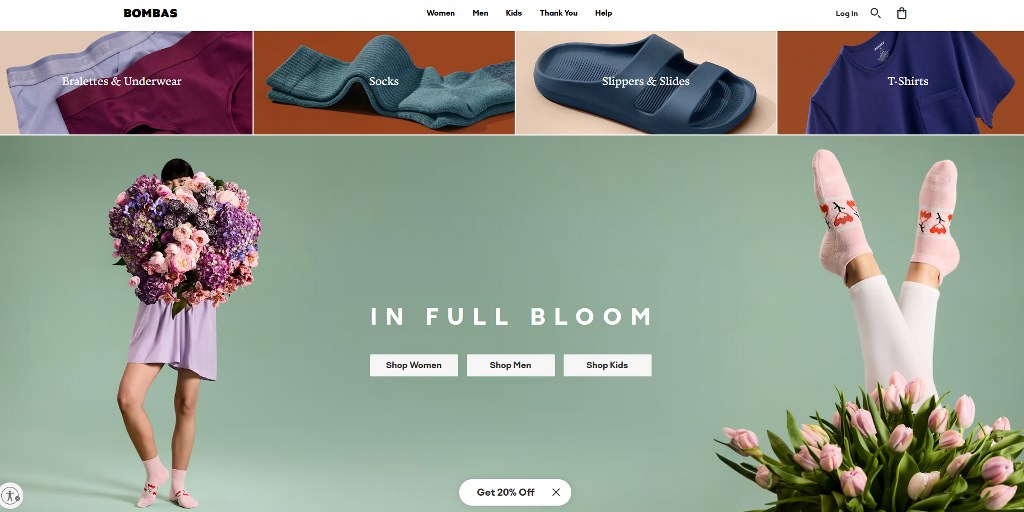
- Financing options make it easier to buy high-priced products. Tools like Klarna and Afterpay let shoppers split payments, boosting sales without lowering prices.
- Volume discounts reward people who buy more. This helps clear stock and keeps your pricing flexible.
- Seasonal promos tap into natural shopping cycles. Think holiday deals or back-to-school sales. They create urgency without feeling pushy.

Together, these tactics support your conversion optimization goals. They also help you connect better with your target audience. They also play a part in boosting your customer lifetime value and search engine rankings.

17. Personalize the Customer Shopping Experience
Personalization helps your customers feel seen, and it can boost your e-commerce CRO, too. Today’s platforms make it easy to tailor content based on behavior and shopping habits.
For example, geolocation tools can show cold-weather gear to customers in snowy areas. On the other hand, there’ll be summer picks for those in warm regions. That simple change can improve the way site visitors interact with your store.
Smart product suggestions like “You might also like” work well during checkout. These moments are perfect to gently increase order size. And at the same time, you won’t be overwhelming your shopper.
Want better email results? Segment your list. Use tools like Kit (formerly ConvertKit) to send messages based on past purchases or browsing patterns. Each group in your target audience gets content that feels made just for them.

Even small actions can make a big difference. First-time visitors might see a welcome offer. Returning users could get reminders about products they viewed or left in their cart.
You can also change homepage layouts, menus, and banners to fit each person. This makes shopping easier and more personal. Over time, these incremental improvements can support a stronger CRO strategy.
When your site feels tailored, people stay longer and spend more. That’s how you build loyalty and improve conversion rate optimization.
Conclusion
e-commerce CRO isn’t a one-time task. It’s an ongoing process. To grow, you’ll need to test, tweak, and learn what works. Start with high-impact fixes like mobile speed and checkout flow. Over time, you’ll see more site visitors turn into buyers.
Need more tips on how to boost your website conversion rate? Check out this detailed guide on how to improve your website’s traffic.

Next Steps: What Now?
Ready to turn more clicks into conversions? Start optimizing with these actionable next steps:
- Audit your site speed.
- Fix your checkout flow.
- Add trust signals.
- Use heatmaps.
- Optimize for mobile.
- Personalize content.
- Test and tweak.
Further Reading & Useful Resources
Want to boost your SEO and improve online visibility? These quick reads can help:
- What Is Anchor Text?: Learn how link text impacts your SEO strategy.
- Free Keyword Research Tools: Find top tools to uncover high-ranking keywords.
- Google Business Profile Optimization: Improve local search results with a better business listing.
- E-commerce Mistakes: Learn from bad examples what to avoid when selling online.
- Make Money in E-commerce: Learn how long it takes to earn from e-commerce.

