


In e-commerce, multi-currency pricing can make a big difference. It can be the reason a customer completes their shopping or leaves their cart behind.
Knowing how e-commerce multi-currency pricing works helps businesses grow worldwide. It makes shopping easier for customers and increases international sales.
Best Website Builders with Multi-Currency Features
| Provider | User Rating | Recommended For | |
|---|---|---|---|
 | 4.6 | Beginners | Visit Hostinger |
 | 4.4 | Pricing | Visit IONOS |
 | 4.2 | Design | Visit Squarespace |
What Is Multi-Currency Pricing?

Multi-currency pricing helps online businesses reach more customers. It allows them to display product prices in different currencies. The price changes based on the buyer’s location or preference.
Dynamic currency conversion happens at the checkout phase and often comes with high fees. But multi-currency pricing shows local prices throughout the entire shopping experience.

When set up the right way, customers view prices in their own currency. This happens as soon as they visit your site. This makes shopping simple and hassle-free. Buyers don’t have to worry about currency conversions or hidden fees.
Benefits for Customers
Shoppers gain tremendous value from seeing prices in their local currency. They no longer need to perform mental calculations or use conversion tools, which interrupts the shopping flow.

Being clear about pricing helps build trust. Customers know exactly what they will pay. They won’t face surprise fees for currency conversion at checkout.
Many shoppers abandon their carts. This is often due to the inability to see the total cost upfront. Multi-currency pricing solves this problem directly. It makes checkout faster and helps customers feel more confident.

Benefits for Businesses
For merchants, the advantages are equally compelling. Cart abandonment drops when stores use local currency. This one change can make a big difference. It helps boost conversion rates in international markets.
Multi-currency pricing does more than boost sales. It also helps you reach customers around the world. You’ll look more professional and focused on customers. Other businesses may frustrate shoppers by making them use unfamiliar currencies.
Many businesses see higher order values from international customers. This happens when they start using local currency pricing.
Why Multi-Currency Pricing Matters for Global Sales

Knowing why multi-currency pricing matters can help boost global sales. It makes shopping easier for international customers. It also lowers the chances of them abandoning their carts.

Consumer Psychology and Currency
People form “currency anchors” based on the money they use every day. When they see unfamiliar currencies, they struggle to decide. Some freeze up while others become overly cautious.
This psychological barrier creates real friction in the purchasing process. Shoppers wonder if they are getting a fair price. They also worry about added costs they might not see at first.
Showing prices in local currency makes things easier for customers. It removes confusion, reduces friction, and helps build trust.
A customer finds it easier to decide when the price is simple. Seeing €25 instead of $27.43 feels more straightforward and comfortable. Familiarity creates confidence and reduces shopping anxiety.

Market Expansion Opportunities
Global e-commerce is growing fast. More people are shopping across borders, with a 21% yearly increase, according to Accenture.
Regions like Southeast Asia, Latin America, and Eastern Europe offer huge business opportunities. Companies that understand their needs can succeed in these multiple markets.
Companies that use multi-currency pricing see higher sales. In new markets, their sales go up by 15–25% within the first quarter.

Competitive Advantage
Big global brands like Amazon, ASOS, and Zara use advanced currency systems. But this feature is no longer reserved for enterprise businesses. Today’s e-commerce platforms make it accessible to companies of all sizes.

Small businesses that use multi-currency pricing see more of their customers’ loyalty. International buyers are also more likely to return and shop again. This simple feature signals that you value international customers and understand their needs.
How to Implement Multi-Currency Pricing
Knowing how to set up multi-currency pricing is important for any e-commerce business. It helps attract international customers and boost sales.
Technical Solutions and Platforms
Most major e-commerce platforms offer built-in multi-currency features or extensions:
- Shopify Plus includes multi-currency functionality natively.
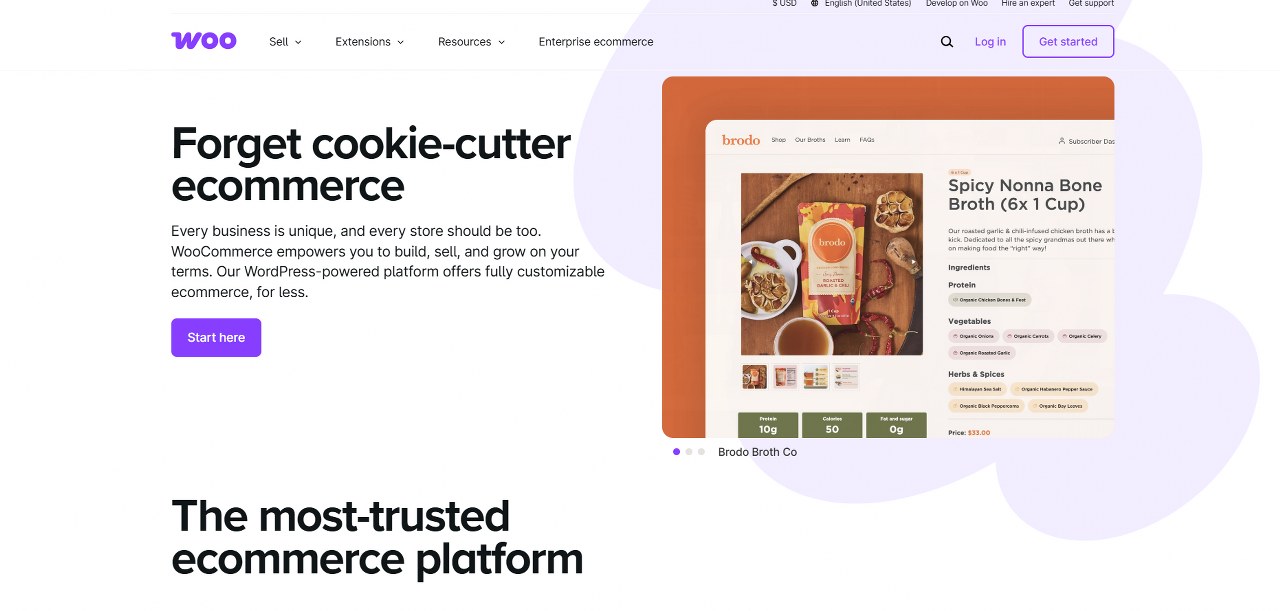
- WooCommerce offers several currency plugins like WPML and Currency Switcher.
- BigCommerce provides multi-currency through its multi-storefront feature.
- Magento Commerce includes robust international pricing options.

If you’re creating a custom website, you can connect to currency APIs. Tools like Open Exchange Rates or Fixer.io help keep exchange rates up to date.
Website hosting becomes particularly important when serving a global audience. Your hosting must handle traffic spikes from different time zones. It should also keep loading speeds fast for users around the world. Choose the best web hosting service provider to enjoy these benefits.
Currency Selection Strategies
You have several options for how customers select or view currencies:
Automatic detection uses browser data to show the most likely local currency. While convenient, this approach sometimes makes incorrect assumptions about user preferences.
Manual selection through a visible currency switcher gives users control. Most successful designs place the switcher in the header or footer. They use well-known currency symbols instead of just abbreviations.
Some luxury brands show prices in different currencies. They display the cost in USD, EUR, and GBP on the same product page. This works well for high-value items where comparison shopping is common.

Pricing Strategies for Multiple Currencies
Direct conversion applies current exchange rates to your base currency prices. This is easy to do, but it can create strange numbers like €27.83. These numbers can look unprofessional.
Market-specific pricing allows you to set rounded, psychologically appealing prices in each currency. For example, $19.99 might become €19.99 or £17.99 rather than €18.37 or £15.46.

Different markets have different pricing conventions. Americans expect prices that end in .99. Germans, on the other hand, like rounded numbers. Japanese customers often look for prices that end in 8.
Managing the Complexities of Multi-Currency Pricing
It’s important to understand how to manage multi-currency pricing. This helps you keep your profit steady and handle competitive rates. It also makes shopping easier for customers around the world.
Exchange Rate Management
Currency values fluctuate constantly, creating challenges for merchants. Most businesses update their rates once a day or once a week. This helps avoid confusing customers with frequent price changes.
Adding a small buffer of 3-5% to exchange rates helps protect your profit margins. This is important when currency values change. For example, if the actual exchange rate is 1 USD = 0.85 EUR, you might use 0.82 EUR in your calculations.
Tax and Compliance Considerations
Different countries have varying requirements for tax display and collection. In the European Union, prices must include value-added tax (VAT). In the US, prices are usually shown before tax.

Some areas have rules about how prices should be shown. For example, in Australia, prices must include GST when shown to customers.
Working with an international tax expert can help you manage these challenges and ensure compliance. This is especially important as rules, like the EU’s VAT One-Stop Shop, keep changing.
Payment Processing Setup
Not all bank accounts and payment gateways support multiple currencies. Popular payment processors for multi-currency businesses include:
- Stripe (supports 135+ currencies).
- PayPal (supports 25 currencies).
- Adyen (supports 120+ currencies).
- Worldpay (supports 120+ currencies).
Consider transaction fees carefully. Some processors charge higher rates for real-time currency conversion or multi-currency transactions. Using your local currency may seem easy. But it often comes with hidden conversion fees. You can also accept credit card payments.

Setting Up Your Web Store for Global Success
Creating a truly global store requires more than just familiar currency options. Your e-commerce platform and hosting solution form the foundation of international success.
Pick an e-commerce platform that goes beyond currency support. It should offer language translation, international shipping, and tax compliance tools.
Reliable web hosting becomes even more critical when serving global markets. Your site needs to load fast for customers everywhere. It should also handle visitors and cross-border transactions from different time zones without issues.
Businesses that want to grow internationally need a strong web hosting provider. The right choice ensures good performance, improved customer experience, and reliability.
Consider additional localization elements like:
- Date formats (MM/DD/YY vs. DD/MM/YY).
- Measurement units (inches vs. centimeters).
- Address formats for shipping information.
- Local payment types popular in target markets.

Hostinger: Top Website Builder for Beginners
Measuring Success and Optimization
Watching key numbers helps you set the best prices for different currencies. This also boosts international sales and brings in more profit.

Key Metrics to Track

After implementing multi-currency pricing, track these metrics by currency or region:
- Conversion rate changes.
- Average order value differences.
- Cart abandonment rate improvements.
- Time on site and pages per session.
Many businesses discover surprising regional differences in each single currency. European customers might spend more on each order. Meanwhile, Asian markets could have higher conversion rates. These manual conversions and insights help refine your international strategy.
A/B Testing Strategies
Test different approaches to optimize your multi-currency implementation:
- Currency selector placement and design.
- Price rounding strategies in different markets.
- Automatic vs. manual currency selection.
- Currency display formats (with or without symbols).
Conclusion
Multi-currency pricing helps international visitors feel more secure. All you have to do is display prices in the customer’s preferred currency.
It turns casual browsers into confident buyers. When you remove the hassle of unfamiliar currencies, shopping feels easier. It creates a local and trustworthy customer experience. It also helps you enhance customer satisfaction.
Need more products to sell on your website? Check out these trending products you could sell on your e-commerce website.

Next Steps: What Now?
Ready to establish your global presence with multi-currency pricing? Start now and turn global visitors into paying customers:
- Check your e-commerce platform.
- Choose a currency strategy.
- Set up automated but competitive exchange rates.
- Optimize foreign currency display.
- Ensure tax and compliance readiness.
- Optimize payment processing and use good payment providers.
Further Reading & Useful Resources
Explore these resources to enhance your e-commerce and website management:
- How to Make Money Online: Learn how to start earning online hassle-free today.
- How to Sell Online Successfully: Find out how to sell online with our comprehensive, 10-step guide.
- Enterprise E-commerce Platforms: Find the best platform for scaling your business.
- WordPress Pricing Breakdown: Understand WordPress costs and features.
