


The mobile app industry is projected to reach $777.4 billion by 2032. It presents immense opportunities for developers and entrepreneurs.
This article explores 11 proven strategies to monetize your app effectively. It will help you tap into this lucrative market, whether you’re building mobile apps, web apps, or software solutions.
Top Website Builders to Showcase and Monetize Your App
| Provider | User Rating | Best For | |
|---|---|---|---|
 | 4.6 | Beginners | Visit Hostinger |
 | 4.4 | Pricing | Visit IONOS |
 | 4.2 | Design | Visit Squarespace |
Understanding App Monetization
Choosing the right monetization strategy for an app is essential. It directly impacts user experience, retention rates, and your app’s profitability. But first, you need to understand what app monetization is.
What is App Monetization?
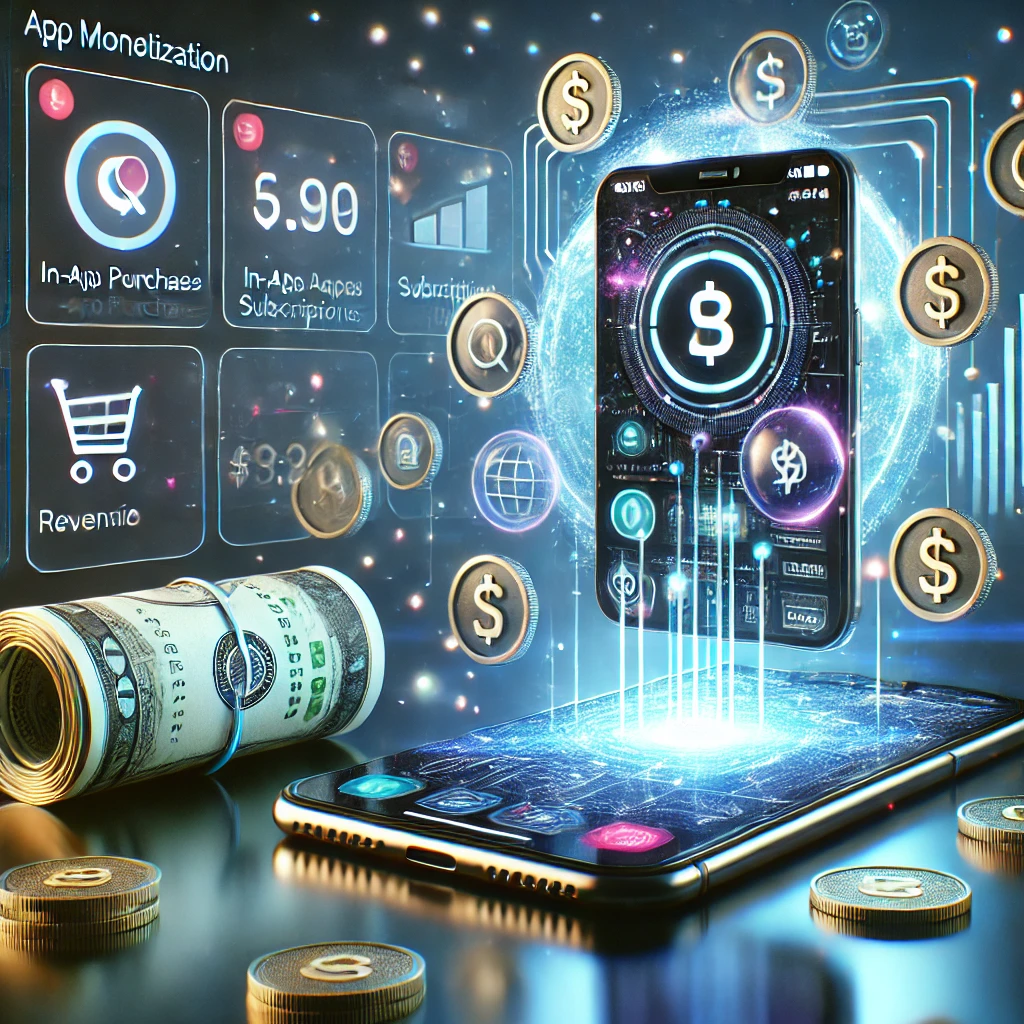
App monetization involves implementing various strategies to generate income from your application. These strategies vary. It can be charging for app downloads or displaying ads.
You can also offer in-app purchases. The key is to find a balance between generating revenue and providing value to your users.
Effective app monetization is not just about making money. It is about creating a sustainable business model. A model that allows you to continue developing and improving your app.
Free vs. Premium vs. Freemium Models
When it comes to app pricing, app developers have three options. They are free, premium, and freemium. Each has its own advantages and challenges. The best choice depends on your app’s nature and target audience.

A free app is exactly what it sounds like. Users can download and use it without any upfront cost. They are the most common. We all have several free mobile apps on our phones. These apps usually monetize through advertising, data collection, or by offering in-app purchases.
The main advantage of free apps is their lower barrier to entry. This can lead to a larger user base. However, monetization can be challenging. User retention may be lower as app users have no financial investment in the app.
Premium apps, on the other hand, require users to pay before downloading. This model works well for apps that offer unique, high-value features.
It also works well with apps that cater to a specific niche market. Premium apps often have higher user engagement and loyalty.
The freemium model combines elements of both free and premium models. Users can download the app for free and access basic features. But premium features or content are locked behind a paywall.
Freemium apps allow users to try the app before committing financially. This can potentially lead to higher conversion rates. Spotify is an example of a great freemium app. They made over $12 billion in 2022 using this approach.
11 Clever Ways to Monetize Your App
Basics covered, time to check the 11 most effective strategies for monetizing your app.
1. In-App Advertising

In-app advertising remains one of the most popular monetization methods. It is the go-to option for free apps. This strategy involves displaying ads within your app.
Revenue is generated based on impressions, clicks, or conversions. You can display ads on apps using AdSense.
There are several types of in-app ads. They are banner, interstitial, native, and video ads.

Banner ads are small, rectangular adverts that appear at the top or bottom of the screen. Interstitial ads are full-screen ads. They appear at natural transition points in the app.
Native ads blend in with the app’s content. They are less disruptive. Video ads, often used in gaming apps, can be particularly lucrative. They work best if you can tie an in-game reward to watching the video.
For effective ads, balance ad placement with user experience. Ads that are too intrusive can frustrate users and lead to app abandonment. Pay attention to factors like how often ads appear and where they are placed.

Squarespace: Best for Bloggers and Artists
2. Freemium Model (Paid Features)

The freemium model has gained significant traction in recent years. This model allows users to access basic features for free. At the same time, it offers premium features or content for a fee.
The freemium model attracts a large user base faster. Users can try the app without any financial commitment. This reduces the barrier to entry. If they find value in the app, they’re more likely to upgrade to the paid version.
However, implementing a successful freemium model comes with challenges. You must balance free and paid features. Offer enough value in the free version to keep app users engaged. Make the premium features attractive enough to drive conversions.
Data shows that free and freemium apps still lead the pack on the Apple App Store. As of February 2022, most of the top apps appearing first to users on the App Store results page were free or freemium apps.
3. In-app Purchases

In-app purchases (IAPs) have become a cornerstone of app monetization. It is most common in the gaming industry. This model allows users to buy virtual goods, additional features, or premium content within the app.
The key to successful IAPs is to create value for users without making them feel pressured to buy. This could involve offering cosmetic items in games, additional storage in productivity apps, or exclusive content in entertainment apps.
Candy Crush Saga is a prime example of effective IAP implementation. The game is free to play. However, users can buy extra lives and special items. The developer’s revenue reached almost 2.79 billion U.S. dollars in 2022 thanks to the game.
When implementing IAPs, consider tier offerings. Here, you can offer a range of price points to cater to different user segments. Also, ensure that the purchasing process is smooth and secure to build user trust.
4. Subscription Model

The subscription model has gained significant popularity in recent years. It gives app developers a steady stream of revenue. This model involves charging users a regular fee for access to the app’s features or content.
There are different subscription models. Some apps offer a single subscription tier. Others provide multiple tiers with different feature sets or content access levels. Annual subscriptions often come at a discount compared to monthly rates. This encourages longer-term commitments.
5. Sponsorships and Partnerships

Partnerships and sponsorships can be a lucrative monetization strategy. It works best for apps with a specific niche or target audience. This approach involves collaborating with brands to promote their offerings within your app.
To attract sponsors, build an engaged user base within your target demographic.Sponsors will pay premium rates to reach a highly targeted audience. Create sponsored content or exclusive offers for your users.
Partnerships can take various forms. You might collaborate with a complementary app or service to offer bundled packages.
Another option is to team up with a brand for co-marketing initiatives. The most important thing is to ensure that the partnership adds value for your users and benefits your app financially.
When pursuing sponsorships and partnerships, maintain transparency with your users. Clearly label sponsored content. Ensure that any partnerships align with your app’s values and user expectations.
6. Data Monetization

Data monetization involves using the user data collected by your app to generate revenue. This app monetization model can be a powerful strategy. However, careful consideration of ethical implications and user privacy is required.
There are several ethical ways to make money from data. You might aggregate and anonymize user data to provide valuable insights to businesses.

Alternatively, you could use the data to enhance your services or create new products that address user needs.
User privacy and consent should be your top priorities. Be transparent about what data you’re collecting and how it will be used. Make sure to respect data protection regulations and make your site CCPA and GDPR compliant.
Data can be valuable, but mishandling user information can cause problems. It can lead to severe reputational damage and legal consequences. Always prioritize user trust over short-term gains.
7. Affiliate Marketing

Affiliate marketing is a good monetization strategy. Global affiliate marketing spending is expected to reach $15.7 billion by the end of this year.
Apps in niches like shopping, travel, or finance are great for this model. This approach involves promoting products or services from other companies. You earn a commission on resulting sales or actions.

To implement, identify products or services that align with your users’ interests. Then, partner with relevant companies or join affiliate networks. This allows you to access a wide range of offers.
There are several revenue models in affiliate marketing:
- Cost Per Action (CPA): You earn when users complete a specific action.
- Cost Per Click (CPC): Each click on an affiliate link gets you paid.
- Cost Per View (CPV): The number of ad views determines earnings.
- Cost Per Install (CPI): Popular in the app industry, you’re paid when users install an advertised app.
For best results, ensure that the promoted products or services genuinely benefit your users. Maintain transparency by clearly labeling affiliate links or sponsored recommendations.
8. White Labeling

White labeling is one of the simplest app monetization methods. A mobile app development company makes the app and allows other businesses to customize it.
This model lets developers earn from their app without handling marketing or support. Businesses often pay recurring licensing fees, providing a steady income.
The model benefits businesses too. It allows them to offer a branded app solution without the time and cost investment of developing it from scratch.
To succeed, create a high-quality, customizable app that solves a common problem for businesses. Develop a clear pricing model. Be sure to consider factors like customization options, ongoing support, and updates.
9. Crowdfunding

Crowdfunding is a smart way to fund app development and build interest. Platforms like Kickstarter and Patreon let you share your app idea with potential backers. They can then contribute funds to support your project.
This approach provides financial support and helps validate your app idea. Another upside is that you build an engaged user base before launch. Successful crowdfunding campaigns often lead to press coverage and word-of-mouth marketing. These further boost your app’s visibility.
Focus on clearly communicating your app’s value proposition to be successful. Create compelling content that showcases your app’s features. You should outline the potential impact. Offer attractive rewards for different contribution levels to incentivize higher donations.
Crowdfunding platforms often take a percentage of the funds raised. You should factor this into your financial planning. Also, be prepared to deliver on your promises to backers to maintain credibility and support.
10. Merchandise Sales

Selling branded merchandise can be a creative way to make money with your app. If you’ve built a strong brand or community around the app, you should consider this.
This approach involves creating and selling physical products related to your app. It could be t-shirts, mugs, or other branded items.
The success of this strategy often relies on the emotional connection users have with your app. Games and lifestyle apps are especially good for merchandise sales. For instance, Angry Birds has done very well with its branded products.
Partner with a print-on-demand service to avoid high upfront costs and manage inventory. Promote your merchandise within the app and through other marketing channels.
Remember that merchandise sales can do more than just generate revenue. They can also increase brand awareness. Users wearing or using your branded items essentially become brand ambassadors.
11. Transaction Fees

Apps that enable user transactions can profit by charging transaction fees. This is common in marketplace, dating, and financial services apps.
The key is to provide enough value that users are willing to pay the fee. This could involve offering a secure payment system or user verification. In fact, any other features that make transactions smoother and safer can help.
Research industry standards and consider your app’s unique value proposition to determine fees. Fees can be a percentage of the transaction value or a flat rate.
Some apps use a tiered system. Fees decrease for higher-value transactions or for users who conduct frequent transactions.
Be transparent about your fees to build trust with your users. Clearly communicate when and how fees will be charged. Offer fee waivers or reductions for new users to encourage adoption.
Choosing the Right Monetization Strategy
Selecting the most effective monetization strategy for your app is crucial for its long-term success. This decision should be based on a thorough understanding of your app’s unique features, target audience, and competitive landscape.
Factors to Consider
When choosing a monetization strategy, consider the following factors:
- App Category: Different strategies work better for different types of apps. For instance, in-app purchases are particularly effective for gaming apps. Subscription services often work well for content-based apps.
- Target audience: Understanding your users’ preferences and willingness to pay is crucial. Consider factors like age, location, and spending habits.
- User behavior: Analyze how users interact with your app. Are they likely to make impulse purchases? Do they use the app frequently enough to justify a subscription?
- Competitive landscape: Research how similar apps in your niche monetize. While you don’t need to copy them, this can provide valuable insights.
- App lifecycle: Your monetization strategy might evolve as your app grows. What works for a new app might not be the best approach for an established one.
- Platform differences: Consider whether your app is on iOS, Android, or both. Monetization strategies can perform differently across platforms.
It’s always best to offer your app for both iOS and Android, so you can maximize your reach! What if you only master one of them? Well, here are some hints on how to get started and transform your website into an App for both iOS and Android.
Hybrid Monetization Approaches
Many successful apps use a hybrid approach. This approach allows you to cater to different user segments and preferences.
For example, you might offer a free version of your app supported by ads, with an option to upgrade to a premium, ad-free version. You could combine a subscription model with in-app purchases for extra features or content.
Spotify is a great example of hybrid monetization. They offer a free, ad-supported tier and a premium subscription tier. Additionally, they’ve partnered with other companies for bundle deals. They also offer merchandise sales for popular artists.
When implementing, ensure that each monetization method complements the others. Each method should align with your overall user experience goals.
Best Practices for App Monetization
These best practices can help maximize your app’s revenue potential:
- Focus on user experience: Your monetization strategy should enhance UX. It should not detract from, the user experience. Avoid intrusive ads or aggressive upselling that could drive users away.
- Provide value: Ensure that paid features or content offer clear value to users. This increases the likelihood of conversions and improves user satisfaction.
- Be transparent: Clearly communicate your pricing. Let users know what features are included in different tiers and how user data is used. Building trust with your users is crucial for long-term success.
- Personalize: Use data analytics to personalize monetization efforts. This could involve showing relevant ads or offering personalized purchase recommendations in the app.
- Test and optimize: Regularly test different monetization strategies and analyze their performance. Be prepared to adjust your approach based on user feedback and performance data.
- Stay updated: Keep abreast of industry digital marketing trends and new monetization opportunities. The app market evolves quickly. Staying ahead of the curve can give you a competitive advantage.
- Consider cultural differences: If you have a global audience, be aware that monetization strategies may perform differently in different regions. This is due to cultural and economic factors.
- Balance short-term and long-term goals: Revenue is important. But don’t sacrifice long-term user retention for short-term gains.
- Leverage user data responsibly: Use the data you collect to improve your app and monetization strategies. However, you should always respect user privacy and comply with data protection regulations.
- Offer multiple payment options: Make it easy for users to pay by offering various payment methods.
- Create a seamless onboarding process: A smooth onboarding experience can increase user engagement. Better user engagement increases the likelihood of users investing in your app.
- Leverage social proof: Use testimonials, user reviews, and case studies to build trust. They can encourage users to make purchases or upgrade to premium versions.
- Implement a robust analytics system: Use analytics tools to track key metrics related to your monetization efforts. This data will help you make informed decisions and optimize your strategies over time.
- Offer time-limited promotions: Occasional discounts or special offers can incentivize users. It can potentially convert free users to paying customers.
- Continuously improve your app: Regularly update your app with new features and content. These improvements should be based on user feedback. This keeps existing users engaged, attracts new users, and justifies ongoing monetization.
Keep these best practices in mind to sustainably generate money with your apps. Some can’t get started at all. Others make some money and the tap stops. Following these best practices will ensure that the money tap never runs dry.
Conclusion
There you have it. 11 proven monetization strategies for apps. You can make money with your app while providing value to your users. Successful app monetization is about finding the right balance. You must balance income generation with delivering a great user experience. The key is to remain flexible and responsive to user feedback. With the right approach, your app can generate significant revenue and build a loyal user base.
Users and content creators on social media make money via apps like TikTok and Instagram. As a developer, you should be raking in cool cash from your apps too.

Next Steps: What Now?
- Define your app revenue model.
- Research market trends to pinpoint what monetization strategies work best.
- Add ad services to your app if you choose to display ads.
- Create valuable purchases or subscription plans that users will want.
- Run trials to see what generates the most revenue while keeping users engaged.
- Ensure that monetization doesn’t negatively impact the app’s usability.

